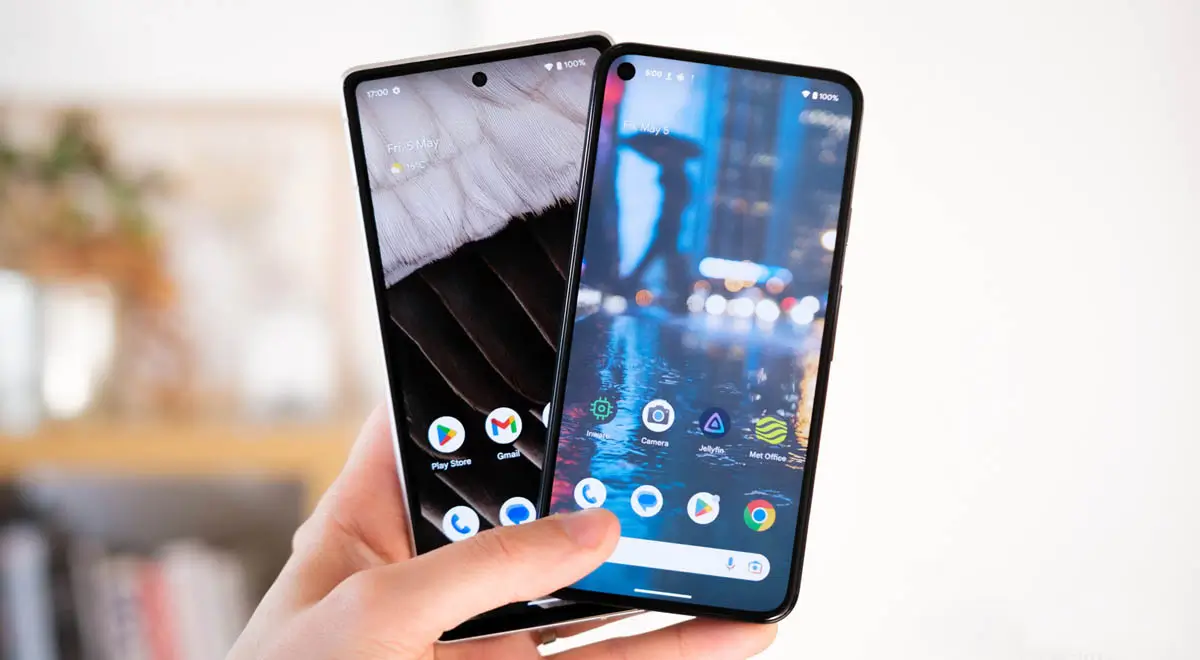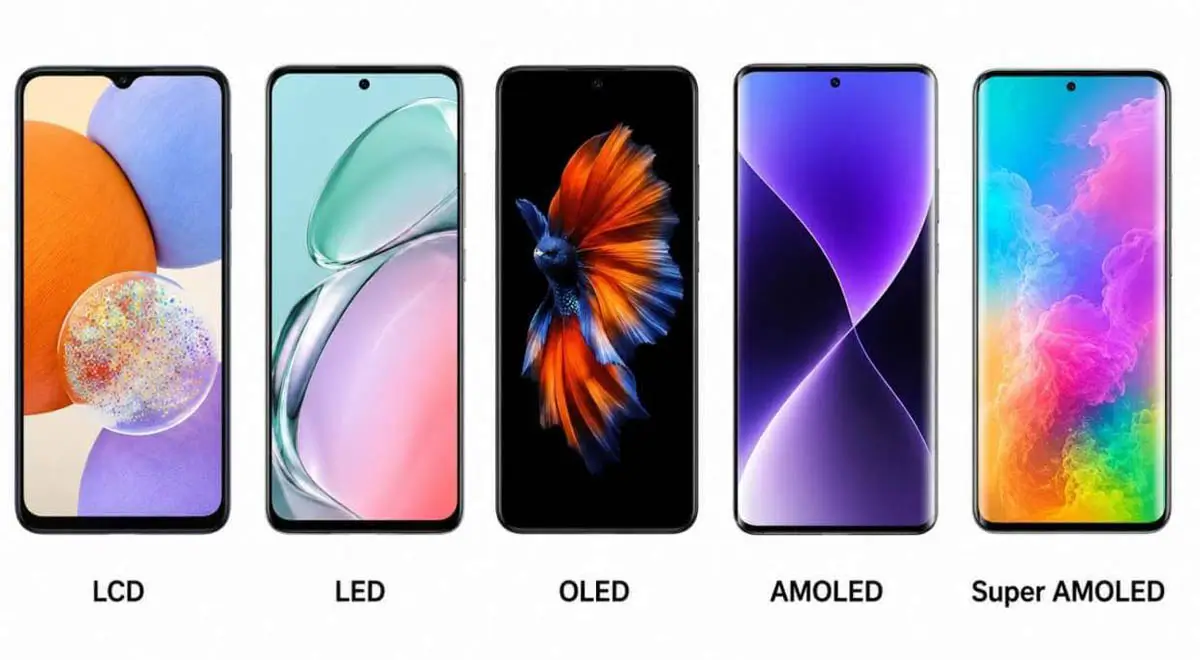
When buying a smartphone, many people compare the camera, processor and RAM before making a decision. The display often receives less attention, even though users spend several hours each day looking at their phone screens. Modern smartphones use several display technologies, including TFT LCD, IPS LCD, OLED, AMOLED and LTPO OLED. Each works differently and offers its own advantages.
TFT LCD Display
TFT LCD is one of the oldest and most widely used display technologies. It uses Thin-Film Transistor (TFT) technology to control each pixel but depends on a separate LED backlight to produce light. Because of this design, black areas do not appear completely black and contrast is lower than newer display types. Viewing angles and colour accuracy are also more limited. However, its lower production cost makes it a common choice for budget smartphones.
IPS LCD Display
IPS LCD is an improved version of TFT LCD. It allows liquid crystals to move within the same plane, producing better colour accuracy, wider viewing angles and higher brightness. These qualities make IPS LCD suitable for watching videos, browsing photos and editing images. However, because it still uses a backlight, it cannot produce true black colours.
OLED Display
OLED displays work differently. Instead of using a backlight, every pixel creates its own light. When a pixel switches off, it becomes completely black. This produces very high contrast and helps improve battery efficiency when darker content is displayed. OLED panels are also thinner and more flexible, making them suitable for foldable smartphones.
AMOLED Display
AMOLED is a more advanced form of OLED technology. It uses an Active Matrix system to control pixels more efficiently. This enables faster response times and supports high refresh rates such as 120Hz and 144Hz. The result is smoother scrolling and a better gaming experience. AMOLED also delivers strong colour reproduction and deep black levels, making it a popular choice in many mid-range and flagship Android smartphones.
Super AMOLED and Dynamic AMOLED
Some manufacturers offer further improvements. Super AMOLED integrates the touch sensor directly into the display, creating a thinner screen with reduced reflections and better outdoor visibility. Dynamic AMOLED adds support for HDR10+, improved colour calibration, higher brightness and reduced blue light. These displays are commonly used in Samsung’s premium Galaxy smartphones.
LTPO OLED Display
LTPO OLED is among the most advanced smartphone display technologies available today. It supports Variable Refresh Rate (VRR), allowing the screen to adjust automatically between very low and high refresh rates depending on the task. A lower refresh rate helps save battery while reading, while a higher refresh rate provides smoother gaming and animations. This technology is found in premium flagship smartphones, including the iPhone Pro series, Galaxy Ultra series and other high-end devices.
Retina, Liquid Retina, and Super Retina XDR Display
Apple also uses branding terms such as Retina, Liquid Retina and Super Retina XDR. These are not separate display technologies. Retina refers to a display with a high enough pixel density that individual pixels are difficult to distinguish at a normal viewing distance. Liquid Retina is based on advanced IPS LCD technology, while Super Retina XDR uses OLED technology with HDR support, higher brightness and improved contrast.
Understanding these display technologies can help buyers choose a smartphone that matches their budget and everyday needs. Users who mainly browse the web or use social media may find an IPS LCD display sufficient, while those who value deeper blacks, smoother visuals and better battery efficiency may prefer OLED, AMOLED or LTPO OLED displays.
For the latest updates, follow or bookmark our website Times World